![“Finding the Mother Tree reminds us that the world is a web of stories, connecting us to one another. [The book] carries the stories of trees, fungi, soil and bears--and of a human being listening in on the conversation. The interplay of personal nar](https://images.squarespace-cdn.com/content/v1/5fea9d693c361c4733f5f088/12b79bc2-4e01-42b1-927d-77980d937165/Finding+the+Mother+Tree+.jpg)
“Finding the Mother Tree reminds us that the world is a web of stories, connecting us to one another. [The book] carries the stories of trees, fungi, soil and bears--and of a human being listening in on the conversation. The interplay of personal narrative, scientific insights and the amazing revelations about the life of the forest make a compelling story.”—Robin Wall Kimmerer, author of Braiding Sweetgrass
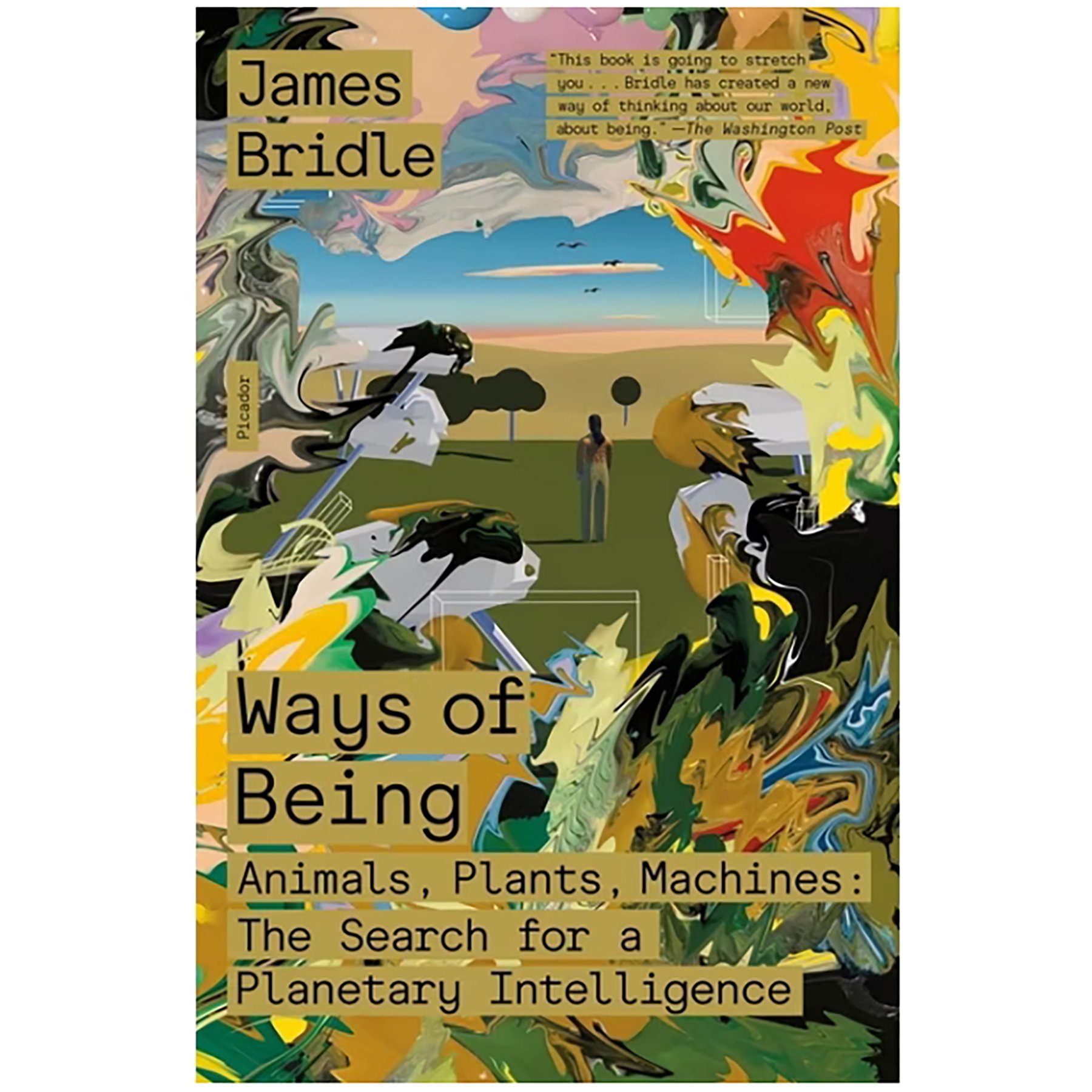
"Artist, technologist, and philosopher James Bridle’s Ways of Being is a brilliant, searching exploration of different kinds of intelligence—plant, animal, human, artificial—and how they transform our understanding of humans’ place in the cosmos."
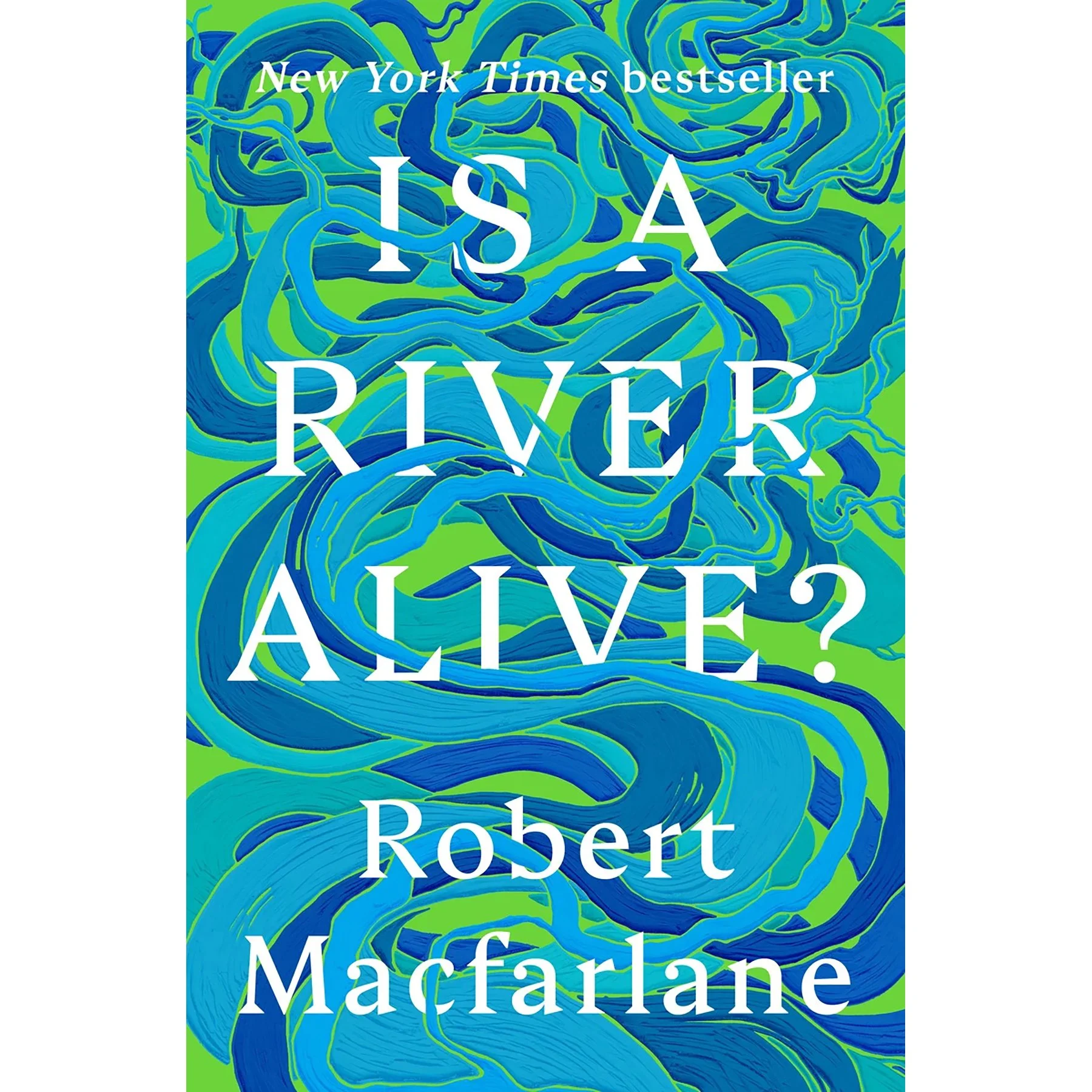
"Hailed in the New York Times as "a naturalist who can unfurl a sentence with the breathless ease of a master angler," Robert Macfarlane brings his glittering style to a profound work of travel writing, reportage, and natural history. Is a River Alive? is a joyful, mind-expanding exploration of an ancient, urgent idea: that rivers are living beings who should be recognized as such in imagination and law."
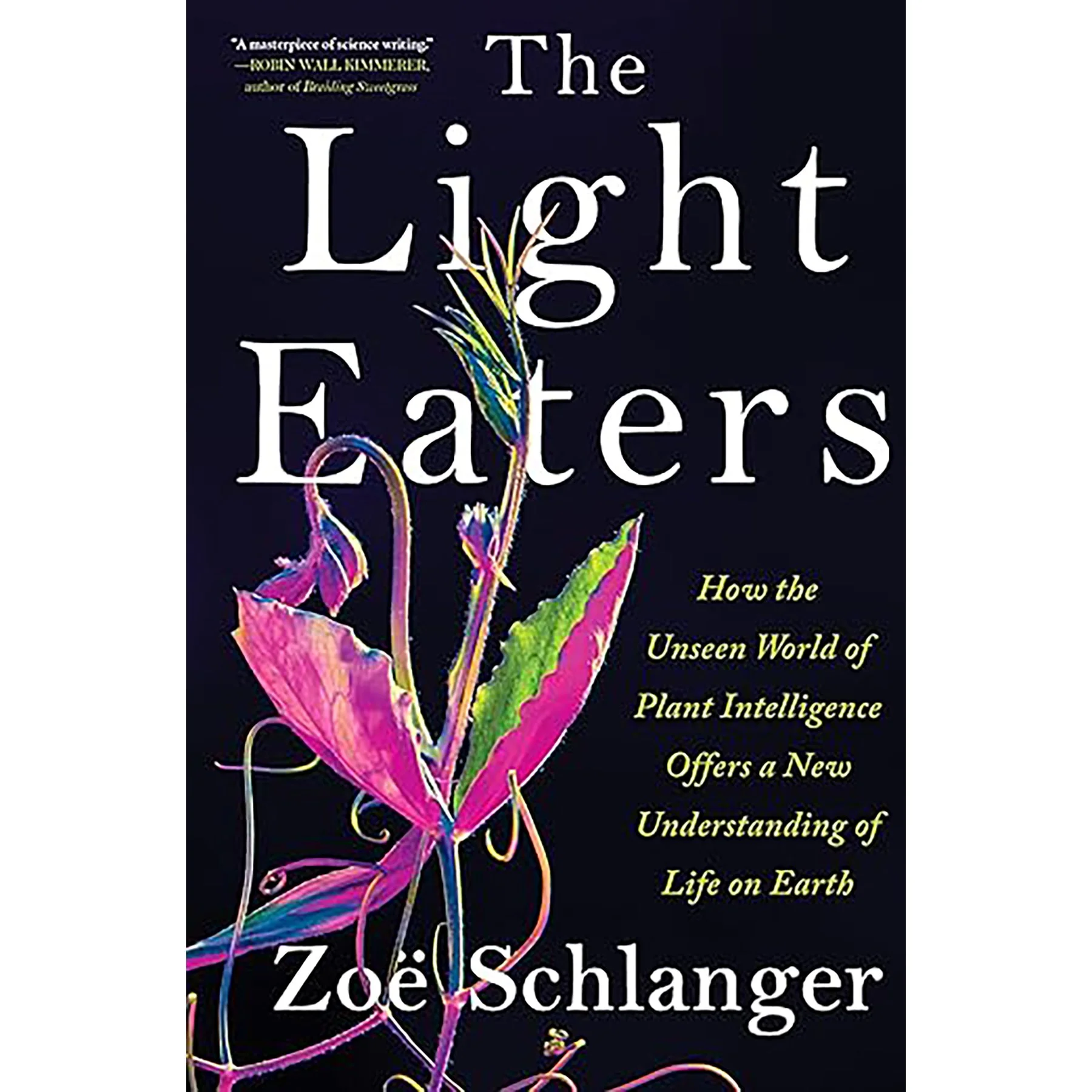
"The Light Eaters is a deep immersion into the drama of green life and the complexity of this wild and awe-inspiring world that challenges our very understanding of agency, consciousness, and intelligence. In this captivating exploration of plant intelligence, we see that plants, rather than imitate human intelligence, have perhaps formed a parallel system. What is intelligent life if not a vine that grows leaves to blend into the shrub on which it climbs, a flower that shapes its bloom to fit exactly the beak of its pollinator, a pea seedling that can hear water flowing and make its way toward it? "
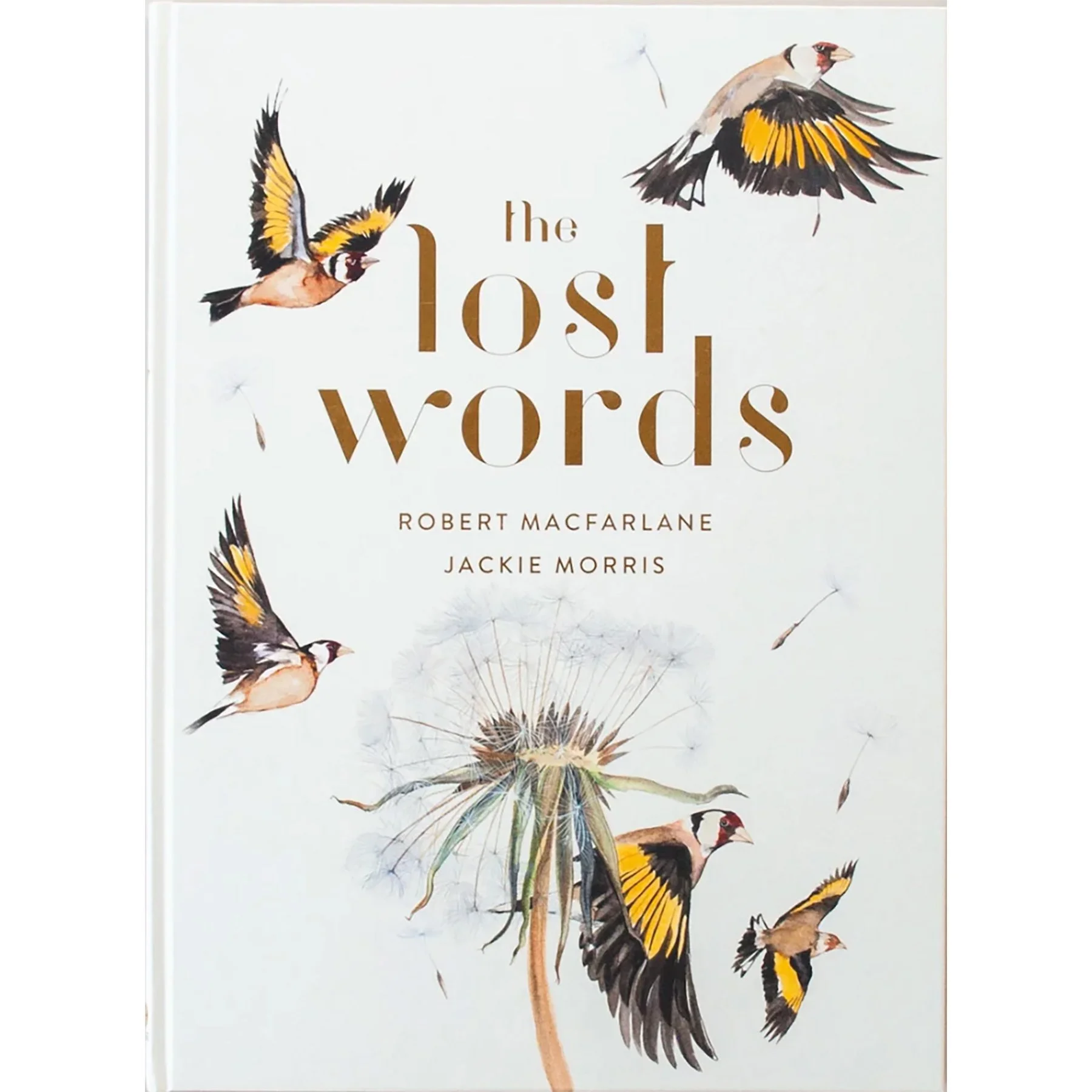
"In 2007, when a new edition of the Oxford Junior Dictionary - widely used in schools around the world - was published, a sharp-eyed reader soon noticed that around forty common words concerning nature had been dropped. Apparently they were no longer being used enough by children to merit their place in the dictionary. The list of these "lost words" included acorn, adder, bluebell, dandelion, fern, heron, kingfisher, newt, otter, and willow. Among the words taking their place were attachment, blog, broadband, bullet-point, cut-and-paste, and voice-mail. The news of these substitutions - the outdoor and natural being displaced by the indoor and virtual - became seen by many as a powerful sign of the growing gulf between childhood and the natural world. Ten years later, Robert Macfarlane and Jackie Morris set out to make a "spell book" that will conjure back twenty of these lost words, and the beings they name, from acorn to wren. By the magic of word and paint, they sought to summon these words again into the voices, stories, and dreams of children and adults alike, and to celebrate the wonder and importance of everyday nature."
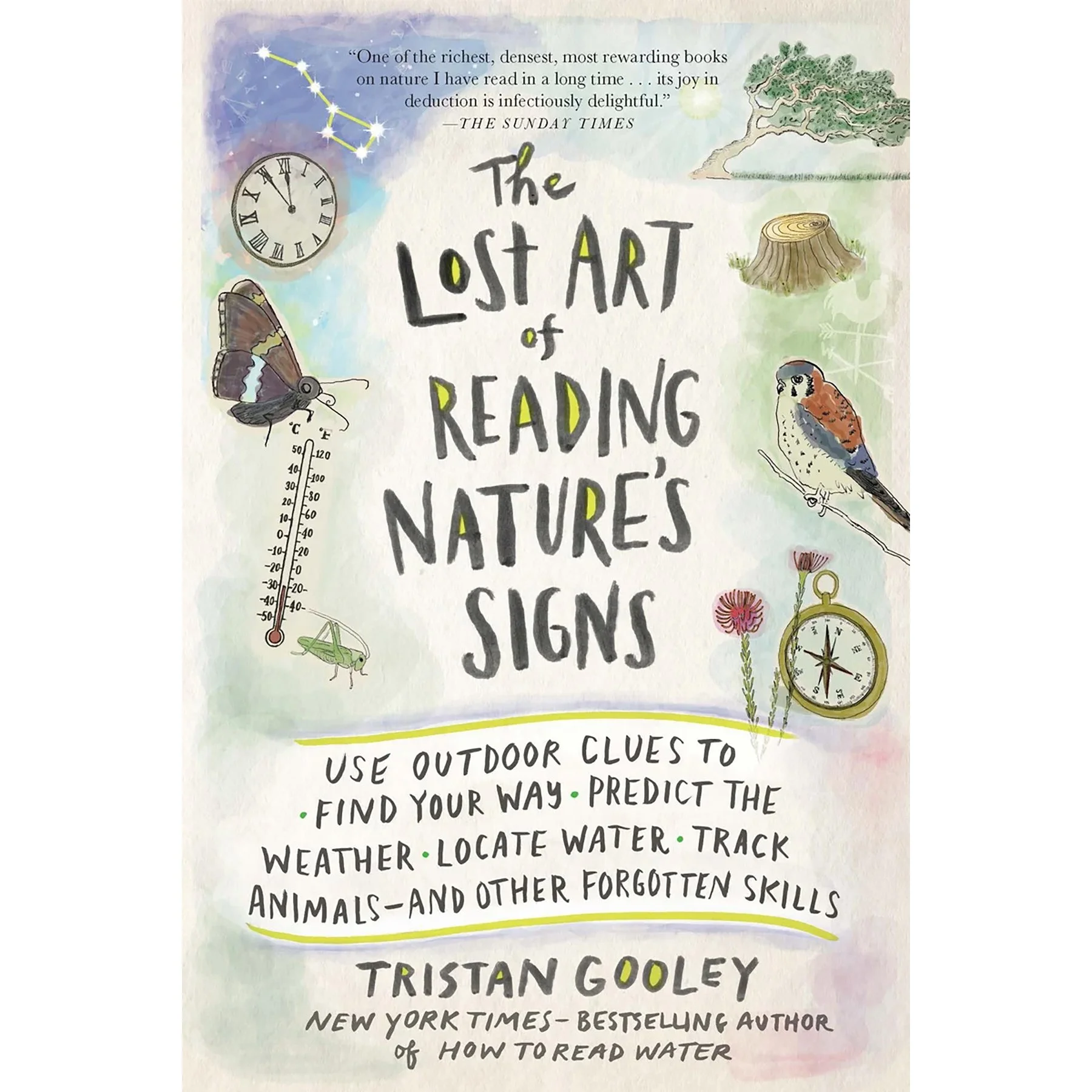
"When writer and navigator Tristan Gooley journeys outside, he sees a natural world filled with clues. The roots of a tree indicate the sun's direction; the Big Dipper tells the time; a passing butterfly hints at the weather; a sand dune reveals prevailing wind; the scent of cinnamon suggests altitude; a budding flower points south. To help you understand nature as he does, Gooley shares more than 850 tips for forecasting, tracking, and more, gathered from decades spent walking the landscape around his home and around the world."
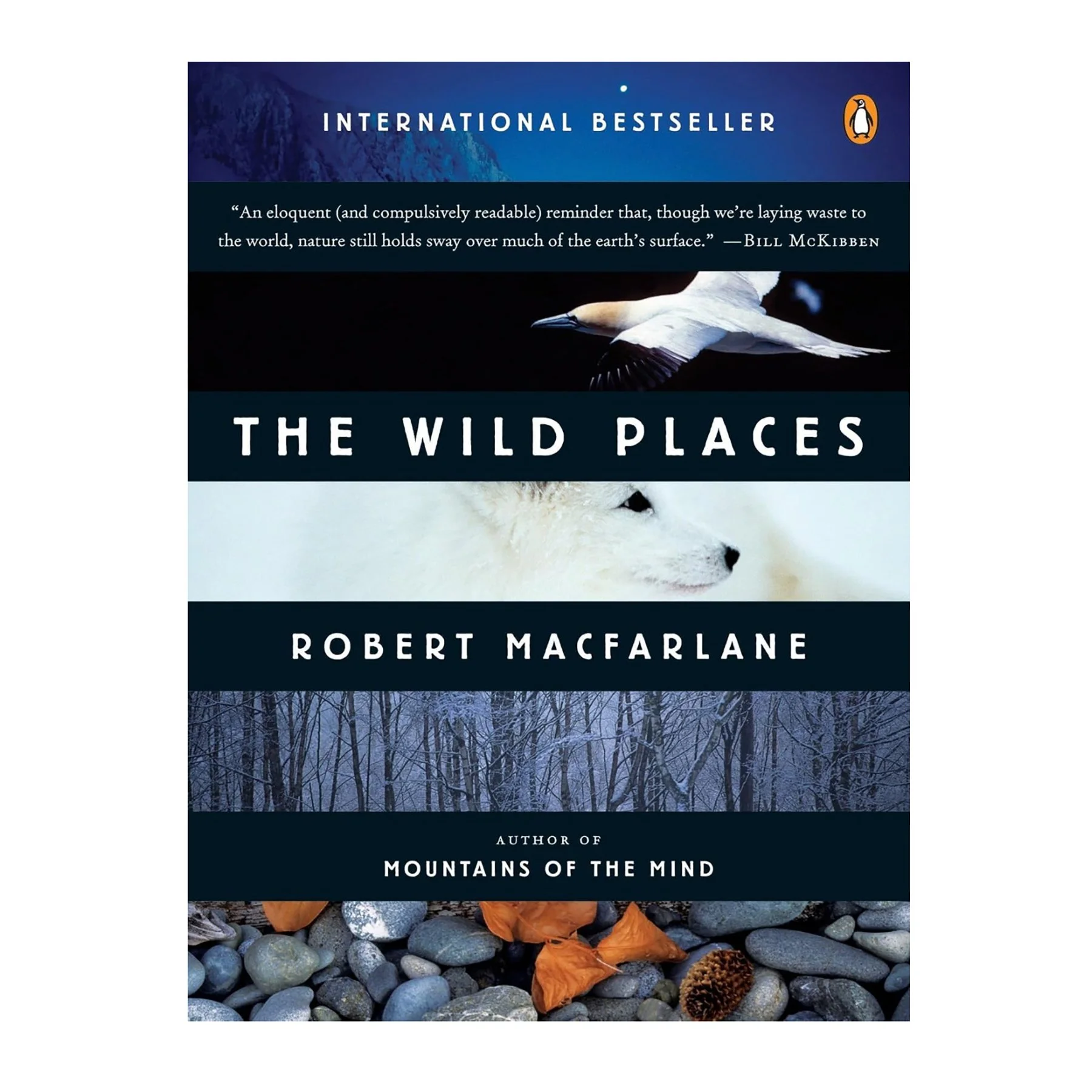
Are there any genuinely wild places left in Britain and Ireland? That is the question that "Robert Macfarlane poses to himself as he embarks on a series of breathtaking journeys through some of the archipelago’s most remarkable landscapes. He climbs, walks, and swims by day and spends his nights sleeping on cliff-tops and in ancient meadows and wildwoods. With elegance and passion he entwines history, memory, and landscape in a bewitching evocation of wildness and its vital importance." Penguin Random House